- So picture this, right, your phone vibrates.
It's a voice message from your daughter.
- Oh man.
- Yeah, and she sounds totally frantic.
She's saying she's in trouble, she needs help right now,
and then the very next message is just a bank account number.
- I mean, it's a terrifying fictional scenario,
but it immediately triggers a real adrenaline spike.
You know, you just feel that instinctive urge
to act immediately.
- Right, it's like someone using a master key
to completely bypass your emotional alarm system,
like forcing you to act before you can even think.
- Exactly.
- Welcome to the deep dive, everyone.
Just a quick disclaimer up front,
this is an AI-generated audio adaptation
of a law-right article.
It's based on an editorial snapshot
from November 11th, 2026.
- Today we're exploring why our fundamental instinct
to trust our own ears is suddenly our biggest liability,
and how to verify these urgent requests.
- Right, 'cause the Belgian federal police
are warning about these voice imitation traps.
So basically, a familiar voice
simply cannot authenticate a payment request anymore.
- It really can't.
I mean, people used to say,
well, you could spot a fake by listening
for like an unnatural breath or a robotic tone.
- Right, those weird digital pauses.
- Yeah, but listening for unnatural breaths
just isn't enough anymore.
The technology is too good.
The only reliable solution
is breaking the channel completely.
- Meaning you just hang up?
- Yeah, you hang up and call that person back
using an already known number,
like one you already have saved in your contacts.
- Okay, but what if they don't answer?
- Then you try another trusted contact.
And if there is immediate danger,
you contact official emergency services instead.
- But wait, couldn't a family just agree
on a secret code phrase
to make this completely bulletproof, like a safe word?
- I mean, an agreed family phrase definitely helps,
but it is absolutely not foolproof.
- Oh, really?
That seems like it would be.
- You'd think so, right?
But the true standard really needs to be
an agreed upon culture.
- Like a culture of double checking.
- Exactly, a family culture where saying,
you know, I'll call you back on your usual number,
is always acceptable.
This shouldn't be awkward to verify.
- That makes total sense.
And this illusion of familiarity,
I mean, it scales straight from our personal lives
to the workplace, right?
- Oh, absolutely.
It just shifts from familiar voices
to, well, familiar documents and authority figures.
Fronsters use these urgent manager voices
or familiar looking invoices.
- Right, where the invoice looks perfect,
but it contains like secretly altered bank details.
- Yes, exactly that.
- It's honestly like getting a trusted company letterhead,
but the return envelope routes your check
to a stranger's PO box.
- That is a perfect analogy.
The visual familiarity just totally disarms you,
which is why workplaces have to protect the employee
who actually slows things down.
- Yeah, you have to verify.
- Right, you must verify unusual payments
or account changes through a known channel.
And depending on the risk level,
verify it with a second person.
- But let's say the worst happens.
The verification fails, you panic,
and you actually hit send.
- What do you do?
- Well, then it is all about immediate damage control.
You need to contact your bank immediately
via their official channels.
- Just to try and stop the transfer.
- Yeah, to ask about blocking your recovery options,
though you should know a refund is never promised,
but you have to preserve all messages,
timestamps and transaction references.
- Okay, so if I report this to Consumer Connect,
does that cover my legal basis?
- No, actually, that is a dangerous misconception.
A Consumer Connect report does not replace a police complaint.
- Oh, wow, okay, so definitely go to the police.
- Yes, and you can also forward any suspicious links
or messages to suspect@safeonweb.be,
plus warn other affected people,
but just make sure you do it without publishing
their personal information publicly.
- Right, don't dox anyone while trying to be helpful.
- Exactly.
- So to wrap up this deep dive,
we've got three achievable actions for you.
- Number one, always call back on a previously known number
to verify urgent requests.
- Number two, agree with family and colleagues
that verifying a request is always acceptable,
no offense taken.
- And three, if you do actually pay,
immediately preserve the evidence,
contact your bank and file a police complaint.
- Perfect, you know, it really leaves you pondering
how our fundamental instinct to trust our own ears
might just require a permanent reset in the digital age.
Thanks for joining us on this deep dive.
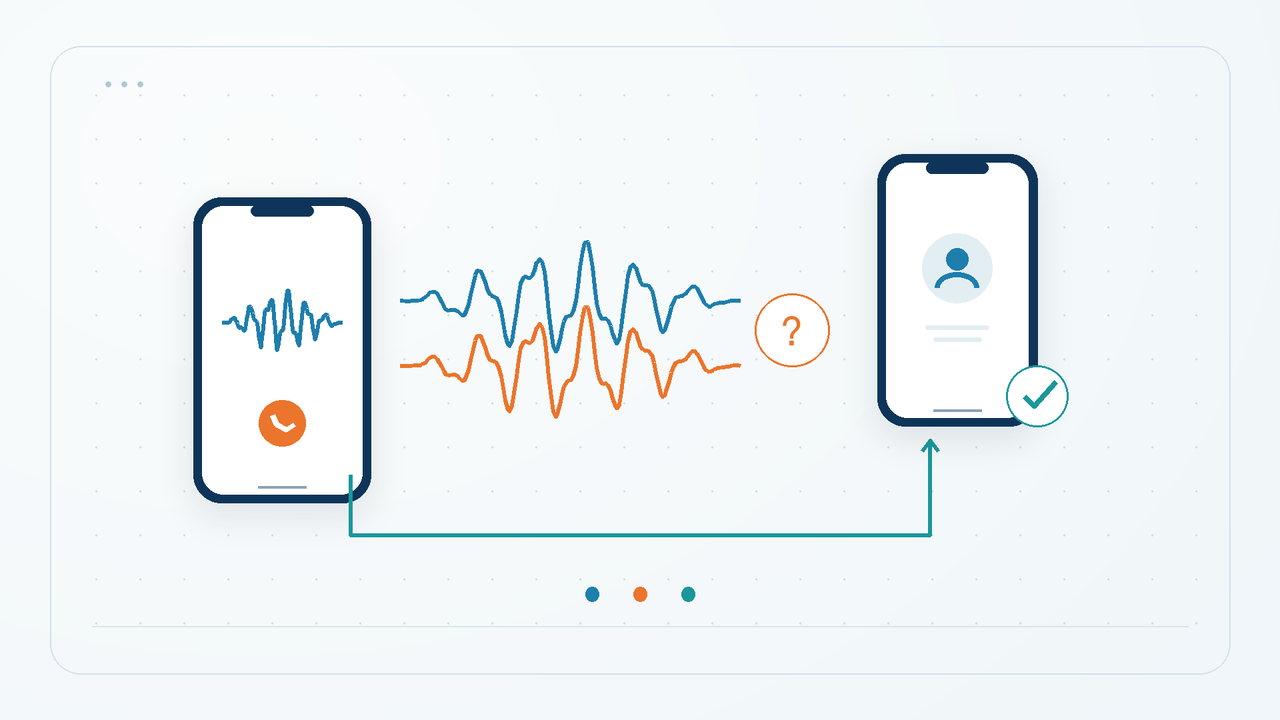
Your phone vibrates. A voice message, just a few seconds long: “I’m in trouble. You need to help me right now.” You recognise your daughter’s voice. The next message gives you a bank account number.
This scene is fictional. It describes a real tactic: using a familiar voice to get you to send money before you have had a chance to check the request. Belgium’s Federal Police issued a warning about voice imitations on 17 February 2026. The trap relies on our wish to help, and on denying us time to think.
The question to ask before making the transfer
You might listen for an odd breath, a flat intonation or an awkwardly joined syllable. Those anomalies deserve your attention, but a voice that sounds natural does not prove who is speaking. A poor connection can distort a genuine message, too. Basing your payment on that quick check by ear would be risky.
Ask a more useful question: how can I reach this person through a channel I knew before this message arrived?
Hang up, then dial their usual number from your contacts. Avoid the number or link the message has just supplied. If you cannot reach them, try another trusted contact. If you think someone is in immediate danger, contact the emergency services through their official channel. An alarming voice calls for a check and, if needed, help; it does not make the bank account genuine.
Agree as a family that it is always acceptable to check. “I’ll call you back on your usual number” should be something you can say without embarrassment. An agreed phrase can add another precaution. Do not choose it from publicly available information, and do not treat it as foolproof protection.
At work, protect the person who slows things down
The same scenario can use a senior manager’s voice: an urgent payment, a confidential transaction, an instruction to tell no one. Here, too, what matters is being able to check the request before carrying it out.
A team can agree in advance that any change of bank account or unusual payment will be confirmed through a known channel and, depending on the risk, by a second person. The rule must also apply when the request seems to come from the boss. If refusing to rush earns someone a reprimand, the procedure will remain fragile.
Fraud does not need a spectacular voice imitation, either. In a warning dated 22 October 2026, the Federal Police point out that an invoice can look familiar even though the bank account number has been changed. A persuasive conversation and a credible document can reinforce each other. Neither removes the need for the agreed check.
If you have already paid
Contact your bank immediately using its official contact details. Explain what happened and ask which transactions can still be stopped or what recovery steps may be possible. The outcome depends on the circumstances; no one can promise you a refund here.
Keep the messages, the voice file you received, the numbers, times, payment details and transaction references. Do not simply delete the conversation because you feel ashamed. Lodge a complaint with the police. For consumer fraud, SPF Économie distinguishes this step from a report to the Economic Inspectorate through ConsumerConnect; reporting through that service does not replace a police complaint. Suspicious emails, text messages and website addresses can also be sent to suspect@safeonweb.be.
Warn relatives or colleagues if their identity could be used again. Avoid publicly sharing the message with the impersonated person’s details, though.
You can raise this with your family tonight: “I want to help. I’ll call you back on the number I know.” This precaution will be easier to accept if everyone knows in advance why you take it.
This is an AI-generated audio-visual adaptation of a law-right article.
Editorial snapshot date, 11 November, 2026.
Your phone vibrates. You listen to a voice message just a few seconds long.
"I'm in trouble. You need to help me right now."
You immediately recognize your daughter's voice.
A second later, the next message drops in. It gives you a bank account number.
This exact scene is fictional, but the tactic is entirely real.
Scammers use a familiar voice to trigger our deeply ingrained wish to help,
deliberately denying us the time to think before we send money.
When you hear someone you love asking for help, your instinct is to act,
but a familiar voice alone is no longer enough evidence to authenticate a sudden demand for cash.
You might be tempted to play detective, listening for an awkward breath, a flat intonation,
or blaming a weird pause on a poor connection.
But a voice that sounds entirely natural does not prove who is actually speaking.
Because our ears cannot definitively crack the code of a natural-sounding recording,
we have to look elsewhere.
The only reliable move is to step completely outside of that initial message to verify the request.
The first step is entirely physical. Stop and take a breath.
Break the artificial urgency the message was designed to create. Hang up.
Then, open your own contacts and dial their usual, saved phone number.
Do not reply to the number that just texted you and avoid clicking any links provided in the message itself.
There is one exception.
If the message convinces you that someone is in immediate physical danger, skip the callback.
Contact the emergency services directly through their official channels.
You can also discuss an agreed family phrase in advance.
As this text shows, it's an added precaution, but it is not full-proof protection.
Ultimately, families should agree that checking is always acceptable,
saying "I'll call you back on your usual number" should be an expected, standard response,
completely free of any embarrassment.
This same pressure tactic migrates easily to the workplace.
Instead of a relative in trouble, it's a senior manager's voice demanding an urgent, highly confidential transaction,
with strict instructions to tell no one.
Fraud doesn't always need a voice, either.
An invoice can look exactly like the ones you usually get from a trusted vendor,
but the underlying bank account numbers have been quietly altered by cyber criminals.
The primary rule here mirrors the family protocol.
Any unusual payment request or change of bank details must be confirmed through a known independent communication channel.
Depending on the size and risk of the request,
a second person should be involved in the verification process to act as an additional fail-safe.
But all of these procedures will remain fragile if a corporate culture penalizes employees for taking the time to verify.
True security means protecting the person who deliberately slows things down.
If you have already paid, this flowchart outlines your next steps.
Start by contacting your bank immediately, using their official details to discuss stopping the transaction.
As the diagram notes, outcomes depend entirely on the circumstances, and refunds are never guaranteed.
Second, preserve all of your evidence.
Do not delete the conversation out of shame.
Keep the messages, the voice file, the exact timestamps, and all transaction references.
You can also report consumer fraud to the Economic Inspectorate via Consumer Connect to help gather data.
But this is a separate track. It does not replace the police complaint.
Any suspicious emails, text messages, and website addresses should be forwarded to the Centre for Cybersecurity Belgium via the Safe On Web Service.
Take a moment to privately warn relatives and colleagues.
If an identity has been compromised, it will likely be used again.
However, avoid publicly sharing the message on social media if it contains the impersonated person's personal details.
Recognizing a voice or a familiar document is merely the beginning of an interaction.
Actual authentication requires stepping outside that initial communication loop.
You have to memorize two physical steps.
Pause to break the urgency, and call the person to verify via a number you already know.
The final proactive step is displayed here. Agree.
Talk to your family and team tonight.
Agree that independent verification is a standard expected practice.
By removing the stigma of double checking, we strip these requests of their single greatest weapon, the pressure of artificial urgency.
A familiar voice, followed by an independent call back. Original graphic animation.
Picture this, it's late, you're super stressed out and you tell an AI assistant a personal worry
about your child. Like something you haven't even told your closest friends. Exactly. And the reply
is calm, it uses your first name and you just, you know, carry on chatting. It feels incredibly
intimate in the moment. But I mean, this is a completely fictional example, obviously. Right,
yeah. But it does raise a very practical question for you. Do you actually know what the service
keeps from that exchange? And for what purposes? That is the big question today. So we are doing
a deep dive into a stack of privacy policies and articles dated November 11th, 2026 to figure out
if your conversation with AI is really private. And just a quick heads up here. These voices
and this audio are an AI generated editorial adaptation of those sources. So this isn't a
personal account audit or a live policy check today. Yeah, our mission is really just to decode
what actually happens behind the screen. Right. So to understand what happens to that late night
chat, we kind of have to separate how AI platforms handle data into four totally different functions.
People often lump them together. Which is exactly where all the confusion starts. Yeah. So we have
history, memory, model improvement and retention. History is pretty straightforward. That's just
your ability to scroll back and retrieve past chats, right? Exactly. And memory or personalization
is when the AI remembers things you've shared to while reusing future replies.
So those two really just dictate your daily user experience. Right. But model improvement is an
entirely separate use. That's where eligible data from your chats is actually used to train
the underlying AI. Wow, okay. And finally, there's retention. That concerns how long your data just
sits on a company's servers for their own service or security purposes. Okay, wait, let me push back
on this a little bit. Like, if I go into my settings and just flip a switch to turn off model
improvement, does that automatically shut down the other three? Oh, no, not at all. Because it
feels like a car dashboard. Like, muting the radio doesn't kill the engine. That is a great way to put
it. A setting for one function does not automatically govern the other three. So, you know, archiving
a chat doesn't stop it from being used for training. And turning off memory doesn't delete your history.
Exactly. Let's look at how this actually plays out with the big providers.
Starting with chat GPT. The rules depend heavily on if you're using a personal or a managed workspace.
Right. But for a personal account, you can actually turn off model improvement and still keep your
normal chat history. Yeah, you can. They also offer a temporary chat mode. And those temporary chats
actually skip model improvement entirely. Oh, nice. But here is the catch. A copy may still be
retained for up to 30 days for safety purposes, you know, like if they need to investigate abuse
or platform violations. Wait, I really need to make sure I'm getting this right. That 30-day
safety retention is specifically for temporary chats, right? Yes, exactly. So, we absolutely
shouldn't assume ordinary chats just vanish in 30 days, or that simply turning off training gives us
that 30-day limit across the board. No, that is a crucial distinction. Moving over to Claude,
their approach is that incognito chats are not used for training. And they aren't saved in your
history either. Okay. And what about their retention? Their default retention is 30 days.
Though, I mean, if you're under an enterprise policy, they might retain it longer. Got it.
So, what happens if we bring Google's Gemini into the mix? I know if you use temporary chats there,
or if you switch your activity off, those chats are retained with your account for 72 hours.
Yeah. And the reason they hold it for 72 hours is also for safety uses,
which can actually include possible authorized human review if a conversation gets flagged.
Okay. But what if I actively engage with the system, like say I click a thumbs down to submit
feedback on a weird answer? Does that change how long they keep it? It definitely does. So,
if you submit feedback, that reviewed feedback and its associated conversations might be kept for
up to three years. Three years? Yeah. Wow. Yeah. But it is disconnected from your account.
And we should really clarify calmly here. A three-year retention maximum does not mean a human
review process actually takes three years. Right. And I guess giving feedback doesn't automatically
convert a temporary chat into training data either. Exactly. People sometimes panic about that.
But it doesn't mean a reviewer is always watching. Okay. So, beyond the main platforms,
we have to think about the broader ecosystem too, like if you're using connected apps.
Those third-party apps may actually receive information from your chat.
Which is a very good reason to always double-check your attachments and, you know, your sharing links.
Definitely. We also need to be careful with how we try to hide our own identities, right?
As people often think, just replacing a name with an initial makes them anonymous.
Oh, yeah. That is a huge misconception. An unusual occupation, a specific date,
or even a unique location can still easily identify someone.
And you have to consider the other people you mentioned in a prompt too.
Right. Because they may not have chosen to share their data. I mean, we can't make an absolute
claim that nobody ever consented to being talked about. But it is definitely a blind spot.
Which leaves us with three really practical actions for you. First, go check the actual
privacy settings on your specific product and account. And check your shared links too.
Second, just remove unnecessary identifying details from your prompts.
And third, always ask yourself, what does this tool actually need to help me?
Like give it the absolute minimum context required.
Yeah. Let's just definitely more here.
Here is what I keep coming back to though. The conversational tone of AI naturally lowers our
guard. It really does. I mean, it's designed to sound empathetic. Which makes us volunteer far more
context than a machine actually needs to generate a good answer. Exactly.
So next time you're up late typing out a worry about your child, just ask yourself,
are you talking to a confidant? Or are you just filling up a database?
It is late. You tell an assistant something you have not yet told the people close to you: a conflict, a separation, a worry about your child. The reply is calm and uses your first name. You carry on.
This is an imagined situation. It raises a very practical question: do you know what the service keeps from this exchange, and for what purposes? The tone of a reply tells you nothing about where your data goes. To decide what to share, you need to look at the account you are using, its settings and the features you have enabled.
Four things to keep separate
History lets you find a conversation again. Memory or personalisation may reuse certain information in another reply. Model improvement is a different use of the data. Retention determines how long information stays in the systems, including to provide the service or keep it secure.
A button may affect one of these functions without affecting the other three. Closing a window, archiving a conversation or switching off memory will therefore not necessarily do what you want. To remove a conversation that has already been saved, look for the delete function. Changing the settings for future conversations is not enough to delete older ones.
Before sharing something sensitive, open the privacy settings and look for answers to these questions: could this conversation be used to improve the models? Will it appear in my history? What information will be remembered? What does the policy say about retention and possible access?
What three services say
The official documents consulted on 11 November 2026 provide useful examples. Check them against the particular service and plan you use:
ChatGPT lets you switch off model improvement while keeping your history. Chats kept in temporary mode are not used for this improvement; a copy may be retained for up to thirty days for safety purposes. Personal accounts and business or educational workspaces do not all follow the same rules.
Claude says that incognito chats are not used for training and are not saved in your history. Retention is thirty days by default; some enterprise settings may provide for longer periods.
Gemini distinguishes saved activity from temporary conversations, among other things. For temporary conversations and chats with activity switched off, its documentation specifies a seventy-two-hour retention period linked to your account. It explains safety-related uses and the possibility of human review. If you submit feedback, it and any associated conversations that are reviewed may be kept for up to three years, without being linked to your account.
These modes reduce certain uses. They do not justify a promise that no data will be retained or that no authorised person will ever be able to access it. A paid subscription alone does not give you the answer: check the product and account type.
You can ask for help with fewer details
To help you draft a message after an argument, does the assistant need the school’s name, your child’s address, a whole screenshot and the other parent’s contact details? You can start with a general description, remove unnecessary details and add only what actually changes the answer.
Replacing a name with an initial is not always enough: a place, a date, an unusual occupation or a specific event can make someone identifiable. An attachment may also contain more information than the passage you are interested in. Use a cleaned-up extract where that is enough and you have the right to share it.
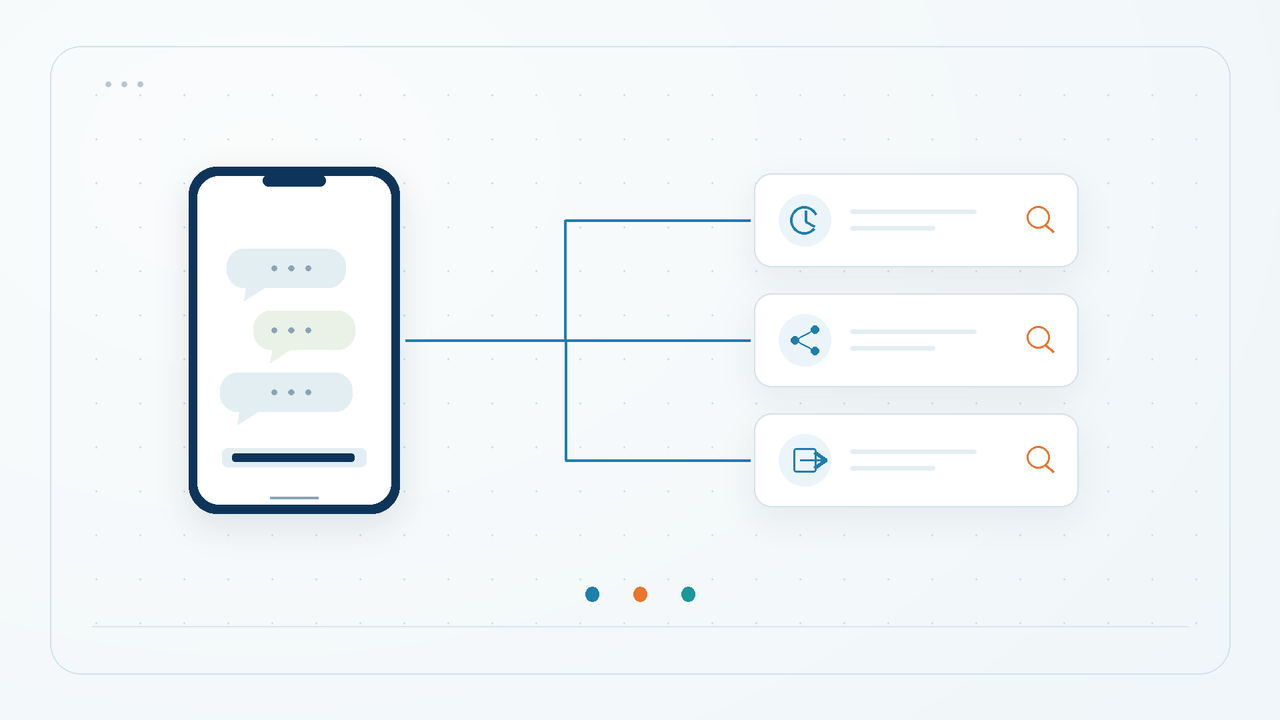
Pay particular attention to sharing links, connected apps and actions you ask the assistant to take. A connected app may receive information from your conversation. If you also ask the assistant to act, check the content and destination of anything it will send before confirming.
A setting worth checking tonight
Choose an assistant you already use and spend two minutes looking through its settings. Check any sharing links you have created, too. You can then decide whether to use a temporary mode, change certain uses of your data, share fewer details or speak to someone bound by a duty of confidentiality appropriate to your situation.
Other people’s privacy is at stake, too. A personal conversation often tells the story of their lives, and they did not choose to be part of it. Before clicking Send, one last question helps you decide what to include: “What does this tool actually need to help me?”
Google, “Gemini Apps Privacy Hub”, hub updated on 26 October 2026; sections on activity, retention, temporary chats and human review.
Sources consulted on 11 November 2026. Features and policies change; the information above concerns the documents consulted, not an audit of your account. The opening scene is fictional.
Watch the video overview
Video overview generated with NotebookLM; synthetic voices and visuals. Local editing with targeted corrections.
Is your conversation with AI really private?
Well, let's dive right into this explainer.
We're gonna break down the exact data policies
of the major AI assistants to see if those private chats
of yours are actually secure.
If you have ever typed a vulnerable late night thought
into a prompt box, yeah, this is definitely for you.
First things first, this audio visual adaptation
was generated with Notebook LM.
And just to set the stage, our analysis focuses strictly
on the official source documents that we consulted
on November 11th, 2026.
So keep in mind, this is a dated comparison
based on published policies.
We're not doing a real-time inspection
of your specific personal account.
To navigate all these complex legalistic policies,
we've organized things into five quick sections.
One, a fictional late night chat.
Two, four separate data functions.
Three, comparing three AI services.
Four, beyond just typed text.
And finally, number five, three actions for tonight.
Let's get going.
A fictional late night chat.
And the emotional reality of our prompts.
So imagine it's late, you're alone,
and you end up telling an AI assistant something
you haven't even told your closest friends.
Maybe a conflict, a separation,
or a serious worry about your child.
The reply you get is so calm,
and it even uses your first name.
You just carry on talking.
Now, this strictly fictional scenario
perfectly illustrates a huge issue.
Sharing these vulnerable confessions
creates a very false sense of absolute privacy.
Because honestly, a reassuring tone tells you
absolutely nothing about where your data
is actually going behind the scenes.
Four separate data functions.
And how a setting for one
does not control all the others.
Dismantling that false sense of security
starts with understanding
how the AI actually categorizes your data.
It breaks down into four entirely separate functions.
One, there's chat history,
which just lets you find a conversation again.
Two, memory or personalization,
which might reuse certain info in a future reply.
Three, model improvement,
which is a totally different thing
where they use your data to train the AI.
And four, retention,
which is simply how long information
stays in their systems.
It is absolutely crucial to understand
that these are four distinct things.
Pressing a button to turn off one
does not magically disable the other three.
For example, it is super easy to fall into the trap
of thinking that changing settings for future chats
automatically fixes the past.
It doesn't.
Simply switching off memory for your future conversations
is not enough to delete older exchanges
that have already been saved.
Just like closing a browser window
or archiving an email doesn't delete it, you know?
To actually remove something,
you have to actively use the delete function.
Let's look at section three,
comparing three AI services
in our November 11th, 2026 policy snapshot.
We really need to pay close attention
to the precise language used for temporary modes here.
While neither mode is used for training or chat history,
ChatGPT's temporary chat copies
may be retained up to 30 days for safety purposes.
Over on cloud side, incognito defaults to 30 days,
but that retention can be potentially longer
under an enterprise policy.
And remember, you cannot just generalize
those incognito conditions to every single quad mode.
It's also super important to note
that with ChatGPT, disabling model improvement
can coexist right alongside ordinary chat history.
The 30 day retention limit we just talked about
for temporary chats, that is not the lifetime
for all your ordinary chats.
And that 30 day limit is not the result
of simply turning training off.
They are completely separate mechanisms entirely.
Now, Gemini takes a highly specific approach.
For Gemini, temporary chats and chats with activity off
are retained with the account for 72 hours.
This includes things like described safety uses
and possible authorized human review.
But here's the kicker, if you actually submit feedback,
reviewed feedback and the associated data
may be kept up to three years,
disconnected from your account.
To be totally clear, this is not every single feedback click.
It is not an automatic change to training.
And a storage maximum is definitely not
a continuous three year review duration.
A massive takeaway from comparing these services
is that personal and managed workspaces differ incredibly.
Please do not just assume a paid subscription
guarantees confidentiality.
Personal accounts and managed enterprise
or educational workspaces follow completely different sets
of rules across these services.
Beyond just typed text, let's look at the hidden risks
in your conversation context.
Even if you manage all your settings perfectly,
typed text is not your only vulnerability.
Connected apps may receive information.
Now, while that statement doesn't establish
a definitive data leak,
it's absolutely a data flow you need to monitor.
Attachments, they carry hidden extra metadata,
shared links, easily exposed content.
Also, using just initials
doesn't magically protect a person's identity.
And let's not forget third party privacy.
So we really can't assume our consent
is the only one involved here.
Finally, section five, three actions for tonight.
Some tangible steps to protect your sensitive information.
Because there are no absolute guarantees of privacy,
you can take these three immediate actions tonight
to minimize your footprint.
Number one, check your actual account and product settings,
plus any active shared links.
Number two, remove unnecessary identifying details,
including full screenshots or attachments
that carry extra data.
Just start with a general description first.
And number three, critically ask yourself
what the tool truly needs to get the job done.
You see, while human professional advice
might help provide confidentiality and context,
these AI tools offer absolutely no categorical guarantees
of absolute privacy or security.
There is no never typed, never retained promise here.
And certainly no absolute guarantee
of human confidentiality.
So before you hit send on your next deeply personal prompt,
just pause and ask yourself,
what does this tool actually need to help me?
Editing out those unnecessary details
might just be the absolute best privacy setting you have.
Ultimately, if an AI requires
your deepest secrets to function,
are you using the tool or is the tool using you?
Thank you so much for joining me for this explainer,
and definitely stay curious out there.
History, memory, improvement and retention: four separate settings. Original graphic animation.
- You know when you buy a kilo of apples,
you expect the grocery scale to read,
well, exactly one kilo.
- Yeah, I mean it is an objective measurement.
- Right.
But then you walk into a store during a mass of holiday sale
and suddenly that objective scale
feels like a fun house mirror.
- Oh, totally.
- Like a 50% discount sign is flashing,
but half off of what exactly?
- Yeah, they like to blur the lines.
- Exactly.
The retailer is essentially hiding the real starting line
to make the race look longer.
- Right.
- Before we dive into how that works,
a quick housekeeping note for you listening.
- Yeah, important context.
- This deep dive is an AI generated audio adaptation
of a law right article dated November 11th, 2026.
So our mission today is to help you decode
what advertised discounts legally mean in Belgium
so you can shop smarter.
- Exactly.
- Okay, let's unpack this.
Because apparently retailers cannot just pick
any high price they want to base their discount on.
- No, they really can't.
The Court of Justice of the European Union, the CGEU,
has actually drawn a very hard line
to stop that exact behavior.
- Really?
- Yeah.
So for standard advertised reductions
on goods in Belgium,
the reference price has to be the seller's lowest price
during the preceding 30 days.
- Wait, the absolute lowest?
- The lowest.
And it is specific to that exact shop and sales channel.
- So they can't just point to another branch's higher price?
- Nope.
Hiding the true prior price in small print
while calculating the percentage
from a different higher base is legally insufficient.
- Okay, wait, let me make sure I am doing the math right here
because I need a concrete example.
Let's invent a totally fictional scenario.
- Sure, go for it.
- Imagine I am holding an unbranded label
for a pair of headphones.
- Okay.
- The tag claims the old price was 100 euros,
the new price is 50 euros,
and it proudly blasts a 50% discount.
- Sounds like a steal.
- Right.
But let's say the lowest price in that exact same shop
10 days earlier was actually 80 euros.
- Ah, well, that 80 euro price completely breaks their math.
- It does?
- Yeah, because under the rule,
80 euros is the required legal reference point.
- Oh, wow.
- So the actual reduction you are getting
from 80 down to 50 is only 30 euros.
- Which is definitely not 50%.
- Right, it is only a 37.5% discount off that 80 euros.
- Got it.
So to legally claim a genuine 50% reduction
from the 80 euro reference price,
those headphones would actually need to cost 40 euros.
- You got it.
The whole mechanism is designed to stop stores
from artificially inflating prices right before a sale
just to make the discount look massive.
- Okay, I get the 30 day rule, stops the fake markup.
But my mind immediately goes to loopholes.
- Naturally.
- So what does this all mean if a product is brand new
or if a store keeps hiking the discount as a sale drags on?
- Well, for goods offered for fewer than 30 days,
there is a shortened reference period
that must cover at least seven days.
- Okay, so offering a low launch price
is still perfectly legal.
- Yes, exactly.
- But what about those massive long campaigns
where the discount gets deeper every single week?
- Right, like progressive markdowns.
- Yeah, does the store have to constantly reset
their baseline every seven days?
- Actually, no.
As long as it is one single continuous campaign
of progressively increasing reductions,
they can retain that initial reference price
for a maximum of 30 days of progression.
- Oh, interesting.
- But the moment they start a brand new campaign,
they have to determine the reference price all over again.
- That makes sense.
And what about expiration dates?
- Ah, yeah, rapidly deteriorating or expiring goods
are completely exempt from these waiting periods.
- Like fresh food.
- Exactly, but do not confuse that with seasonal items.
Like a winter jacket is not considered perishable.
- Nice try clothing stores.
And I imagine things like comparisons
to a recommended price complicate this too.
- Oh, completely.
Comparisons with a recommended price
or genuinely conditional offers
and truly personal benefits
follow a totally different regime.
- They don't count as reductions
from the seller's own prior price.
- Exactly, though obviously misleading presentation
remains prohibited across the board.
- Right, so if you spot a shady label
that completely ignores all these rules,
you might assume you can just report it
and get your money back.
- Well, if we connect this to the bigger picture,
it is not quite that simple.
- How so?
- Consumer connect.
Gathers these consumer reports,
but it is for broad market oversight.
- So they don't fix your specific issue.
- No, the economic inspectorate
does not resolve the individual problem.
- Oh, wow.
- Yeah, if you want a resolution,
mediation is a separate route
and honestly no refund or specific outcome
is ever guaranteed.
- So it really is on you, the buyer, to take back control.
- To shop smarter, here are three concrete steps
you can take.
- Let's hear 'em.
- One, note prices and exact product references
before a campaign begins.
- Very smart.
- Two, do not be afraid to ask the seller
which reference price they used before you buy.
- Put 'em on the spot.
- Exactly.
And three, report suspicious labels
to consumer connect with screenshots.
- It all helps with that market oversight we talked about.
- For sure.
Though it leaves you pondering with dynamic,
algorithm-driven pricing constantly changing costs online,
how will everyday consumers possibly track
this strict 30-day rule in the near future?
- It is gonna be incredibly difficult.
- Yeah, it is like drawing away those apples
while the grocery scale is constantly shifting
under your feet.
Something to think about next time
you see a flashing discount sign.
The percentage catches your eye. The price it is based on deserves just as much attention. As Black Friday approaches, checking it may change the advertised saving without changing by a cent the amount that will leave your account.
Headphones at half price
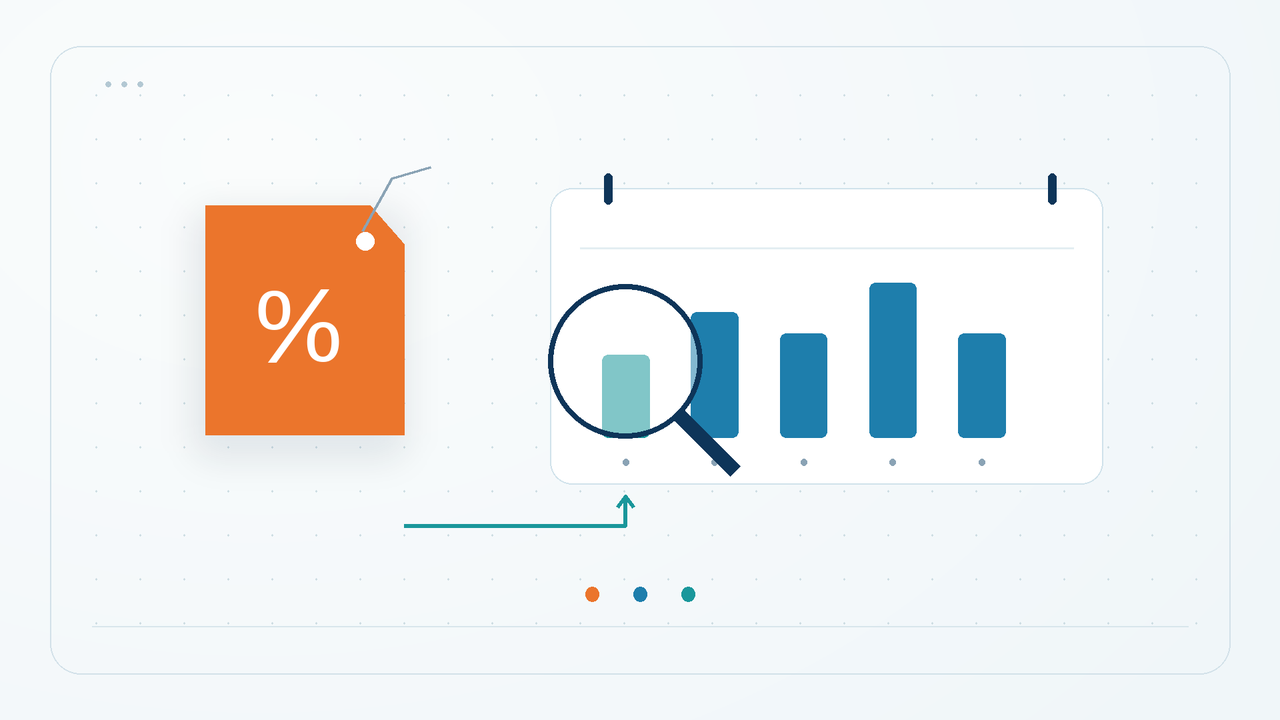
Take a constructed example, with no real retailer. A pair of headphones has a label: old price, 100 euros; new price, 50 euros; discount, 50%. The calculation seems obvious. Except that ten days earlier, the same seller was already offering these headphones for 80 euros in the same shop. Suppose this was the lowest price in the thirty days before the promotion.
For a standard advertised price reduction on goods in Belgium, the reference must be that price of 80 euros. The reduction to 50 euros is therefore 30 euros, or 37.5%. To offer a genuine 50% reduction against that reference, the headphones would need to cost 40 euros.
The rule is about more than the figures on display. In its Aldi Süd judgment of 26 September 2024, the Court of Justice of the European Union confirms that an announced price reduction must be calculated from the required prior price. Adding that price in small print while calculating the large percentage against a different figure does not solve the problem.
Thirty days of history matter
The reference price is, in principle, the lowest price charged by the seller during the thirty days before the reduction. A one-day promotion can therefore count. The reference is also determined by shop and sales channel: a retailer’s website and physical shop may have different price histories. The SPF Économie guidelines, version dated 9 February 2026, explain these situations.
Another useful distinction: a manufacturer’s “recommended price” is not necessarily a price previously charged by the seller. Any comparison with it must be clearly presented as such, concern a realistic price and not look like a reduction against the retailer’s own price. SPF Économie specifically points out that recommended prices must not be crossed out.
None of this stops the headphones at 50 euros from being a good buy. They may even cost less than elsewhere. These are two different questions: whether the advertised discount is accurate, and whether the price offered makes the purchase worthwhile for you.
Not every promotion follows the same calculation
The thirty-day rule concerns announcements of price reductions on movable goods. It should not be extended automatically to every service or commercial offer.
Genuinely conditional offers, such as “buy one, get one free”, follow a different regime. So does a genuinely personal discount, such as a birthday offer. But a promotional code available to everyone does not become personal simply because it arrives in your inbox. In all cases, misleading presentation remains prohibited.
Belgium also provides for adjustments. For goods offered for sale for fewer than thirty days, the reference period is shorter but must cover at least seven days. This requirement concerns announcements of a reduction from the seller’s own previous price. It does not prevent a low price from being offered from the first day. The reference periods of thirty and seven days do not apply to goods that deteriorate or expire rapidly, such as certain fresh foods; an end-of-season jacket is not a perishable item.
Finally, discounts that increase without interruption during one campaign can continue to use its initial reference price, for no more than thirty days of progressive reductions. Moving from Black Friday to Cyber Monday under a new campaign does not give a retailer a free hand to keep an old, high reference price. These exceptions never permit an invented saving.
What you can check now
If you already have a purchase in mind, note its price before the campaign and keep the exact product reference. Compare the total amount, the offer’s conditions and other sellers’ prices. A single screenshot will not necessarily show thirty days of price history; with its date and web address, it is still useful evidence.
If an announcement looks suspicious, ask the seller which reference price was used to calculate the discount. You can also report the situation to ConsumerConnect, attaching photographs or screenshots and the offer’s conditions. Reporting helps with market oversight; ConsumerConnect directs people towards mediation to resolve individual disputes. A countdown does not oblige you to decide before you understand the offer.
The question is short: which price was used to calculate this saving? It is worth asking before you click.
This AI-generated adaptation of a law-right article is dated November 11th, 2026.
Look at this fictional headphone price tag.
Old price, 100 euros, new price, 50 euros, and a 50% discount.
Mathematically, it's flawless.
But what if, exactly 10 days ago, this same retailer offered these headphones for 80 euros?
The math on the paper works, but the consumer's perceived saving is suddenly in question.
Do these displayed numbers actually align with the legal definition of a discount?
In Belgium, there is a standard set of rules for advertised price reductions on movable goods,
things like electronics, furniture, or clothing.
Note that this framework does not automatically extend to services.
For physical goods, the law requires a retailer to base their discount on a strict reference price.
That reference must be the lowest price charged by that specific seller in that specific sales channel
over the 30 days prior to the promotion.
A recent judgment from the Court of Justice of the European Union in the Aldi Schuler case
clarified this further.
A store cannot just print that 30-day prior price in the small print.
The advertised discount percentage must be calculated directly from it.
Applying the law to our price tag, that 100 euro starting point is invalid.
Because the lowest price in the last 30 days was 80 euros,
that becomes the mandatory legal reference.
Dropping the price from that 80 euro baseline down to 50 euros results in an absolute saving of 30 euros.
A 30 euro saving on an 80 euro item is a 37.5 percent discount.
If the retailer genuinely wanted to advertise a 50 percent discount against the legal reference,
those headphones would have to ring up at the register for 40 euros.
The law here isn't dictating how cheap an item must be.
It strictly regulates the arithmetic used to market the bargain,
ensuring consumers aren't misled by an inflated starting price.
The 30-day rule does have defined edges.
For new goods that have been on the market for fewer than 30 days,
the reference period is shortened to cover at least seven days.
This allows retailers to still offer competitive, low prices right from a product's launch.
There is also an exception for progressive discounts.
If a store runs a single continuous promotional campaign where the discount increases over time,
they are allowed to retain their initial reference price for up to 30 days of escalating reductions.
But that requires an uninterrupted campaign.
If a retailer transitions from a Black Friday sale into a brand new Cyber Monday event,
they cannot carry over an old high reference price.
They must establish a new 30-day baseline.
Product type matters too.
Goods that rapidly deteriorate or expire, like certain fresh foods,
are exempt from the standard reference periods.
However, an end-of-season winter jacket is not a perishable item,
so it remains bound by the 30-day rule.
You might also see a manufacturer's recommended retail price.
Comparing a current price to a manufacturer's recommendation is a different legal comparison entirely,
because that recommendation is not necessarily a price the seller previously charged.
While the law accommodates the practical realities of retail logistics,
none of these structural exceptions give a seller permission to invent a fictitious saving.
If you encounter a discount announcement that looks highly suspicious,
you can report the situation to Consumer Connect.
These reports are vital for national market oversight.
But looking at this breakdown, we have to clarify the limits of that reporting.
Consumer Connect focuses on broad market oversight to catch systemic infractions.
To protect yourself before a major campaign even begins,
the most practical step is to note the exact product reference
and record its price history well ahead of time.
Once the promotion launches, capture a screenshot of the offer.
Ensure that the date and the web address are clearly visible,
as this provides useful evidence of the advertised conditions.
And if you are pressured by a ticking countdown timer or a flashy banner,
pause.
You are always allowed to ask the seller directly
which reference price they used to calculate the advertised saving.
Knowing the true baseline price is the only way to verify the math.
When you check the reference, you ensure the percentage on the screen
actually translates to money saved in your bank account,
rather than the psychological trick designed to make you click.
Look for the reference behind the percentage. Conceptual illustration, not a real price history.
An unexpected request for money? Call the person back on a number you knew before the message arrived. In immediate danger, use the emergency services’ official channel.
Sharing something personal with an assistant? Check history, memory, model improvement and retention separately. Include only necessary details and consider other people’s information, too.
A discount on goods? Ask for the reference price and compare the total amount. In Belgium, the ordinary rule uses the lowest price in the previous thirty days; exceptions apply.
What would you do? Three situations to discuss
Some voices make us uneasy. Others keep us company. Missing You, the English adaptation of my album Absences, explores the bonds that remain when someone is missing from our lives. Milo Sarre and Anouk Revel are the two characters I created to carry these songs. Different arrangements offer different ways into the same world. Media credit: Christophe Boeraeve · Chris Beaurêve. Milo Sarre and Anouk Revel are virtual characters; music, voices and visuals are made with AI. The album website explains the contributions.
ChatGPT opens in a new tab. Your conversations are not automatically sent to Christophe.
Law Right · FR · NL · EN
A head start. Not night school.
Receive the English, French or Dutch edition by email. Once the WhatsApp channel is operational and activated, you can also receive the publication alert and talk with Lexi about the issue.

 Illustrative film generated with Gemini; synthetic voice. Fictional scene.